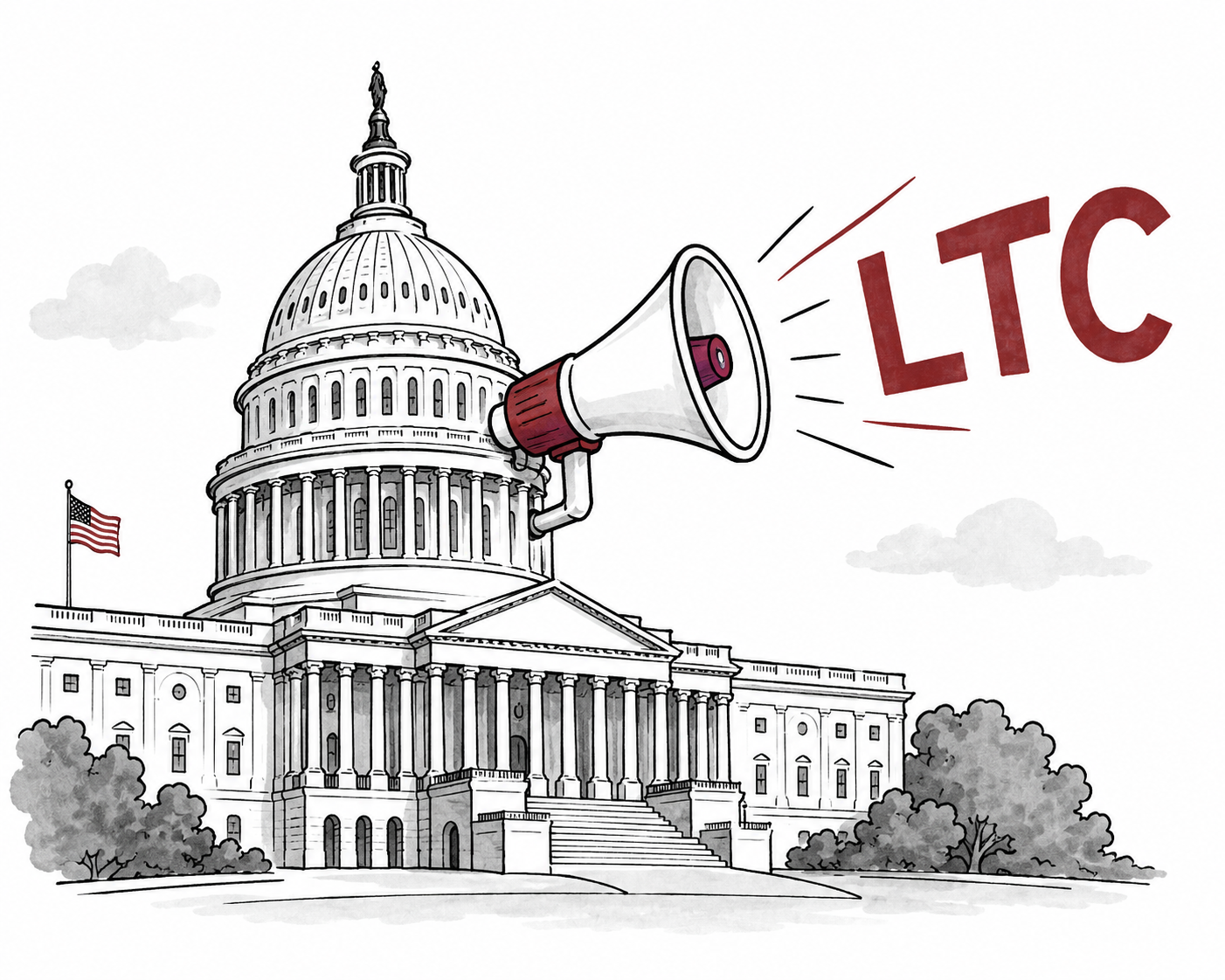

Representatives Tom Suozzi and Aaron Bean recently introduced the Planning for Long-term Aging Needs (PLAN) Act, that would create a national public education campaign around long-term care planning.
What to know
- Precedent: This act is modeled after a similar campaign in 2005 (Own Your Future) that increased public engagement with long-term care planning.
- Government attention: Long-term care continues to receive attention from policymakers at both the state and federal level.
- Conversation catalyst: Greater public awareness may lead more clients to proactively ask about care planning options.
Planning implications
We've already seen how public policy can influence awareness. In Washington State, the rollout of WA Cares generated significant discussion around long-term care planning. Regardless of opinions about the program itself, it succeeded in making more people think about how care might be funded later in life.
The proposed federal campaign is aimed at a similar objective. Advisors may find more clients asking questions about caregiving, long-term care costs, and funding strategies before a crisis forces the conversation.
When to raise this with clients
- A client references recent news or policy discussions involving long-term care.
- A client assumes Medicare will cover most long-term care expenses.
- A client in their 50s or early 60s has never evaluated a plan for future care needs.
Bottom line
Awareness alone won't solve the long-term care challenge, but it can make planning conversations easier to start before care is needed.
Client resources: I publish short videos and articles explaining long-term care concepts for your clients.
Work together: I'm a long-term care specialist. In addition to articles like these, I help financial professionals evaluate coverage options for clients. Reply or schedule time to refer a client or discuss a case.
Best,
Jesse Vickey
Long Term What?
P.S. If this was forwarded to you, sign up to receive future emails.